Understanding the Circular Economy
At its heart, a circular economy is about care, for people, for resources, and for the planet we share. It reimagines the traditional “take, make, dispose” approach, instead focusing on reuse, repair, refurbishment, and recycling. Every material is valued, every stage of production is considered, and waste is reduced wherever possible.
In our industry, this philosophy means designing products that can live many lives — built to last, easy to recycle, and made from materials that retain their quality over time. For companies like Crofts & Assinder, it’s a chance to pair craftsmanship with conscience, ensuring that what we create today helps preserve the world for tomorrow.
The Role of Recycled Brass
Brass lies at the centre of our story, and it’s also the perfect material for a circular future. Made primarily from copper and zinc, brass can be melted down and reused indefinitely without losing any of its strength or lustre.
By using recycled brass in our products, we reduce the need for newly mined materials and help conserve natural resources. It’s a simple but powerful choice that also lowers energy use during production, proving that sustainability and sophistication can go hand in hand.
The Journey of a Crofts & Assinder Product
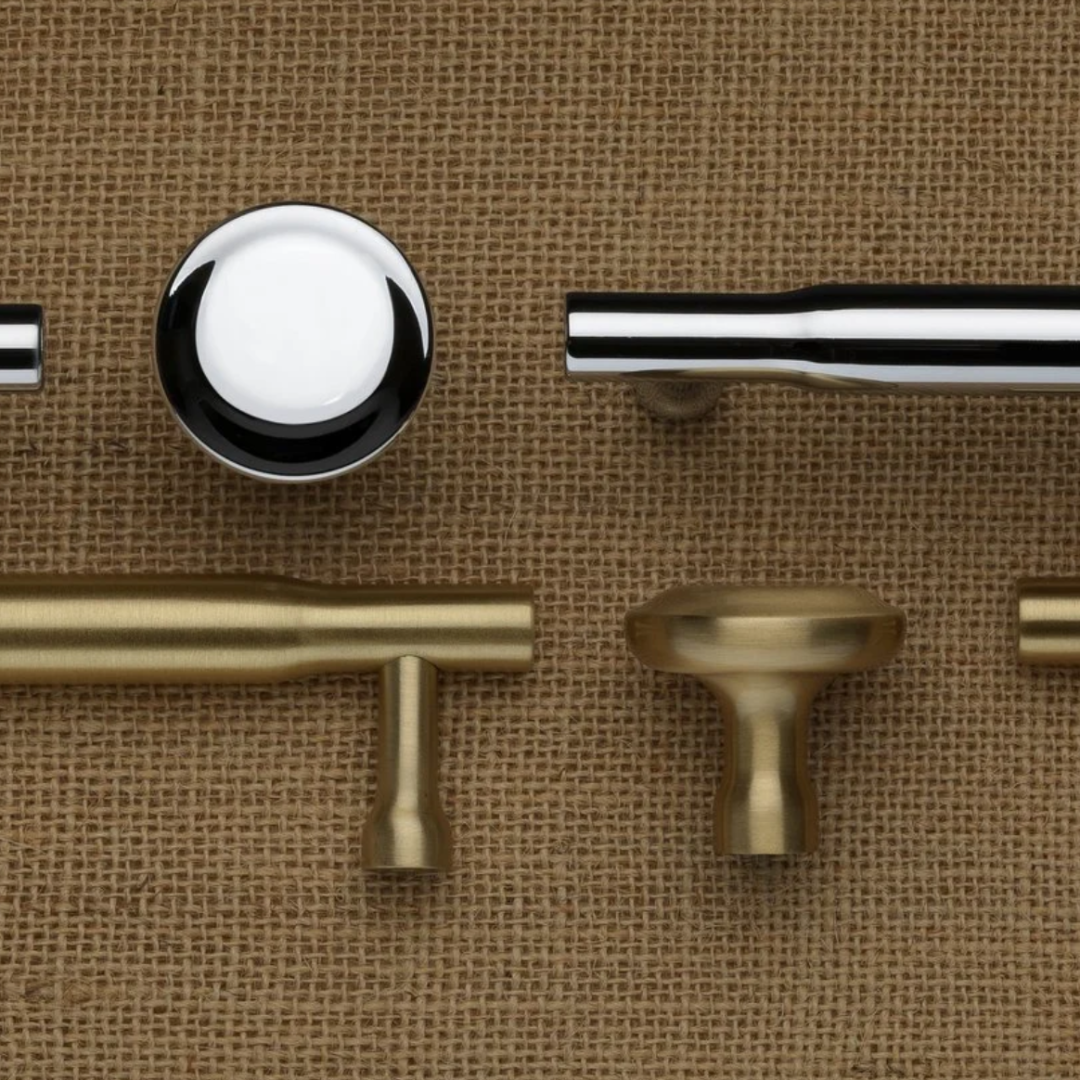
From the first sketch to the final polish, each Crofts & Assinder piece is crafted with care and intention. Our handles, knobs, and hinges are designed not just to be beautiful and functional, but to stand the test of time, and to begin a new life once their first chapter is complete.
When a product reaches the end of its use, it can be returned to us or responsibly recycled locally. Because our materials are endlessly recyclable, nothing needs to go to waste. Each piece has the potential to be reborn, perhaps as another design, continuing the story of craftsmanship and sustainability.