




Avoiding Costly Hardware Specification Errors in Interior Design

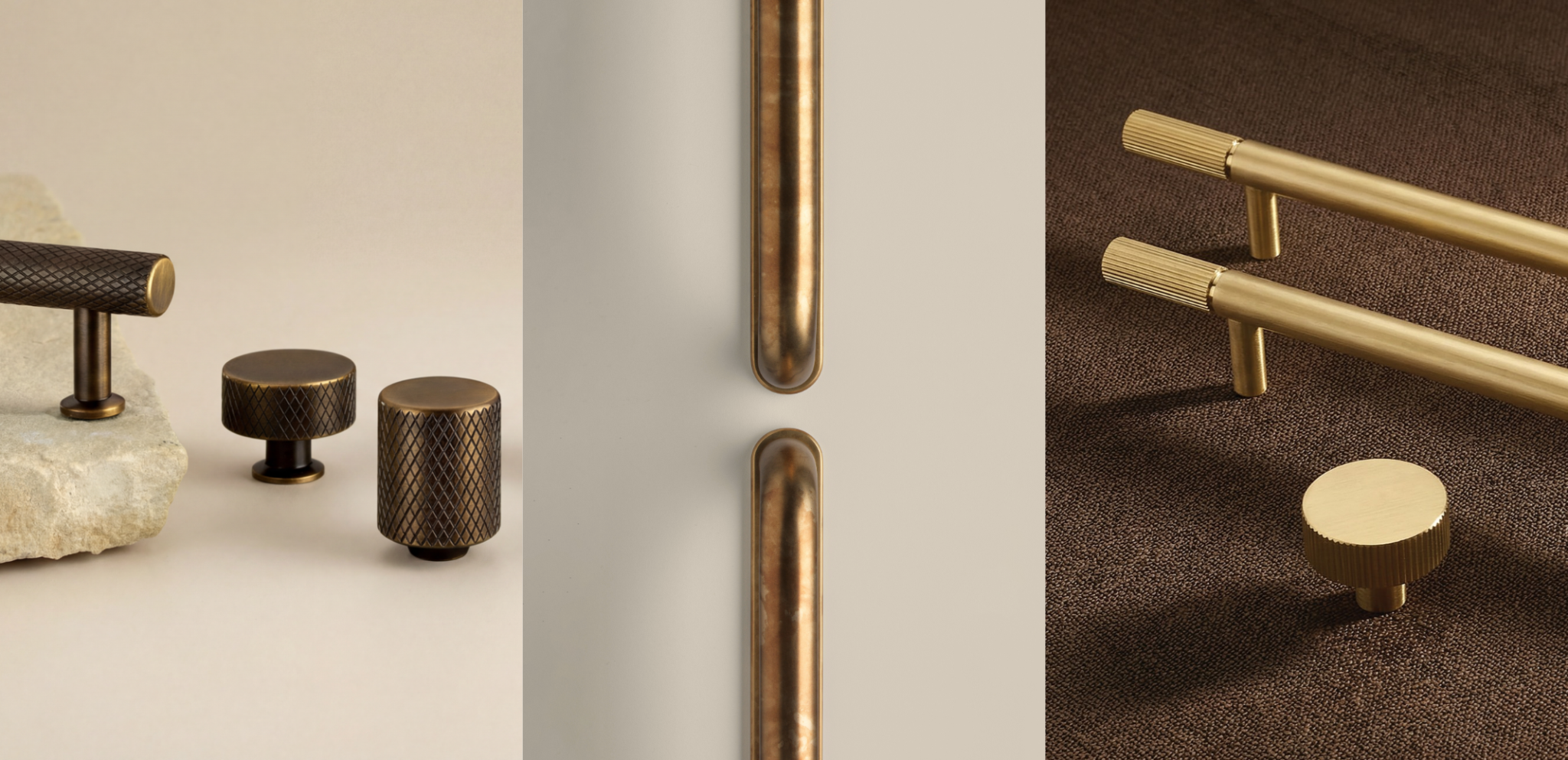
Often one of the final details to be specified, yet among the first elements people interact with, hardware plays an important role in the success of an interior design project.
An incorrect finish, unsuitable dimensions or a product that does not meet the practical requirements of its setting can lead to unnecessary costs, installation delays and last-minute changes.
With careful planning, many of these issues can be avoided. Here are five common hardware specification mistakes to consider.
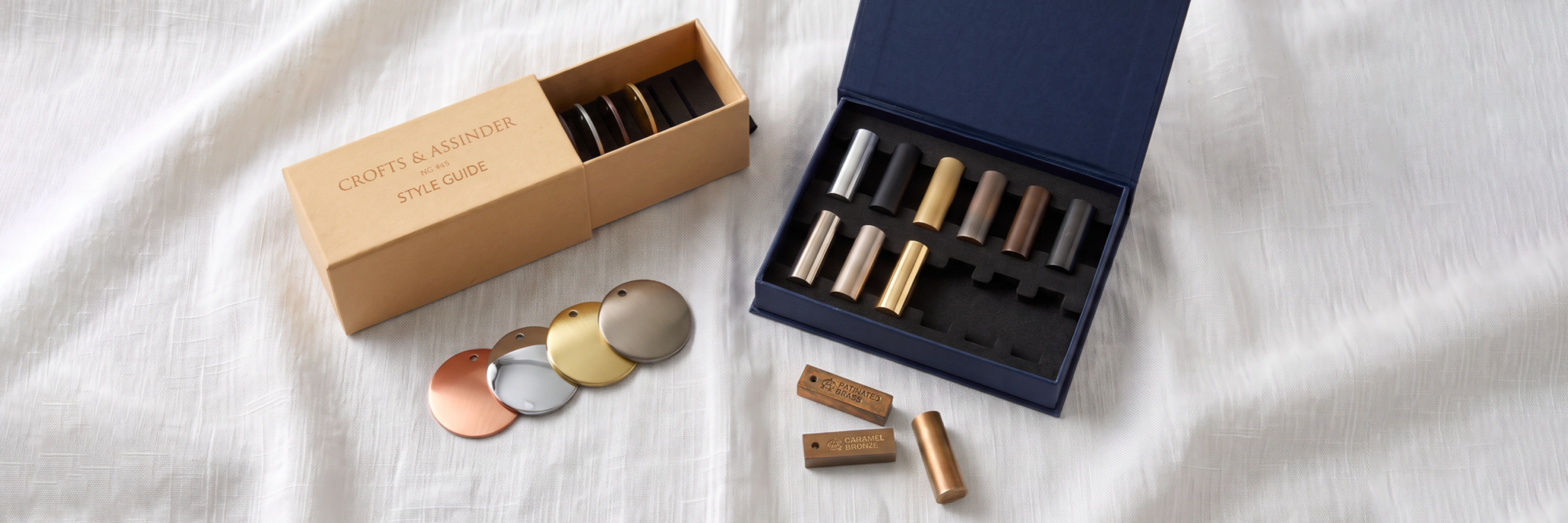
Metallic finishes can appear quite different depending on lighting conditions and surrounding materials. A brass finish viewed on a screen may look noticeably different alongside actual cabinetry, paintwork or other interior details.
To help make the right choice, Crofts & Assinder offers Finish Boxes, allowing designers to explore and compare physical finish samples before making their final selection.
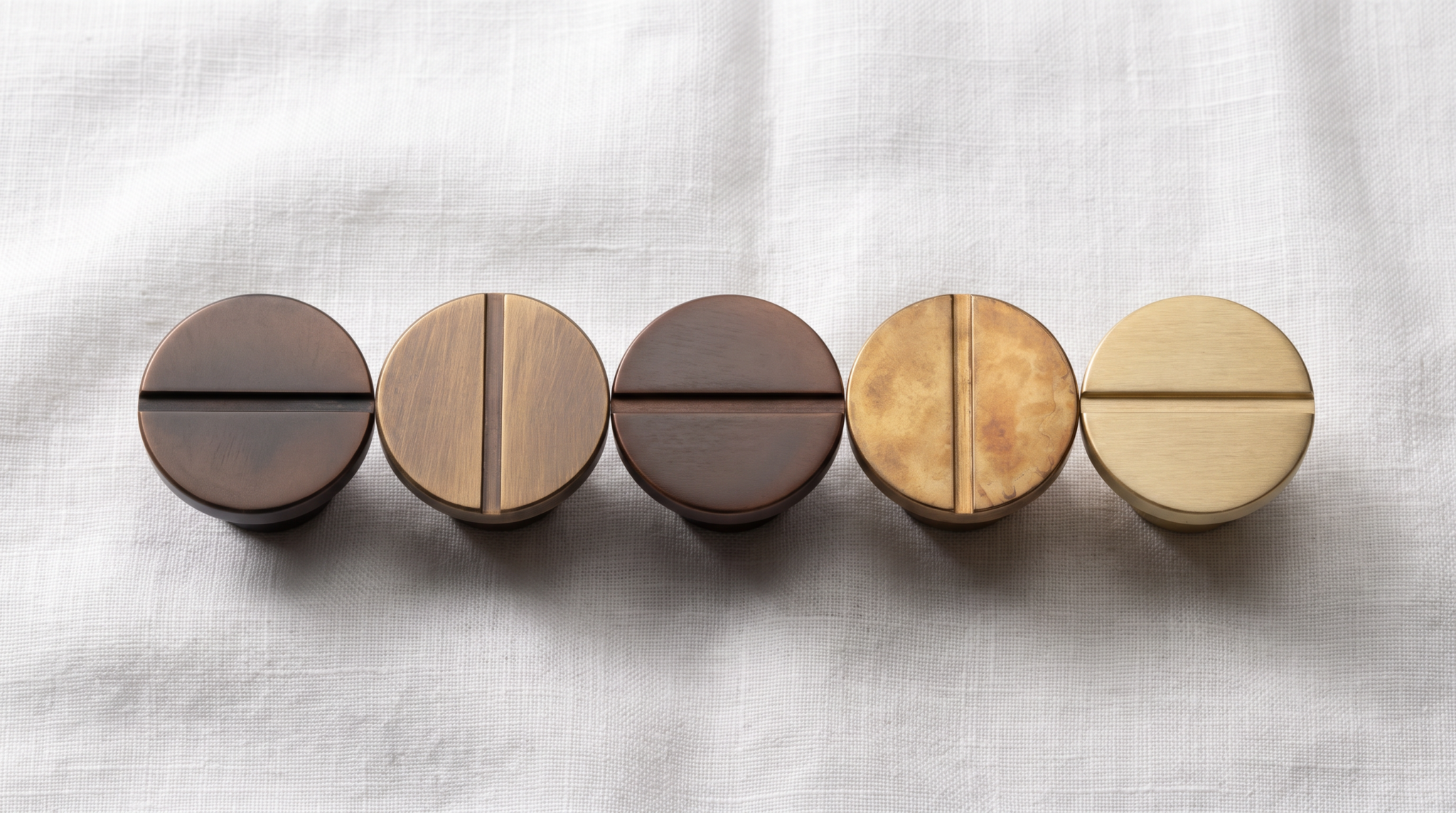
Some finishes naturally develop character through everyday use, while others are designed to maintain a more consistent appearance. Understanding the difference is important when selecting hardware that meets both the design requirements and the client’s expectations for long-term maintenance.
Not sure which finish is right for your project? Explore our article on Living Finish vs Patinated Brass to learn more about how these finishes differ and how they change over time.
Hardware should complement the overall design of a space, but its suitability for everyday use is equally important. Different environments place different demands on the products specified.
Bathroom hardware needs to be suitable for humid conditions and regular cleaning, while hospitality and commercial settings often require products that can withstand frequent use. In senior living environments, ergonomics and ease of grip may be particularly important considerations. The intended use of a space should therefore influence hardware selection just as much as its visual appearance.
Considering factors such as durability, comfort, maintenance and frequency of use early in the specification process helps ensure that the selected products are appropriate for their surroundings.
A product may look perfectly suited to a project, but its dimensions and fixing requirements need to be checked before it is approved. Small measurement discrepancies can create significant difficulties during installation, particularly when working with bespoke cabinetry and joinery.
Important details to consider include:
- Fixing centres: The distance between screw holes and compatibility with existing or planned drilling positions.
- Projection: How far the handle extends from the furniture surface.
- Fixing length: Whether the supplied fixings are suitable for the thickness of the door or drawer.
- Overall dimensions: Ensuring the proportions are appropriate for the furniture.
- Clearance: Checking that handles will not interfere with neighbouring doors, drawers or surrounding surfaces.
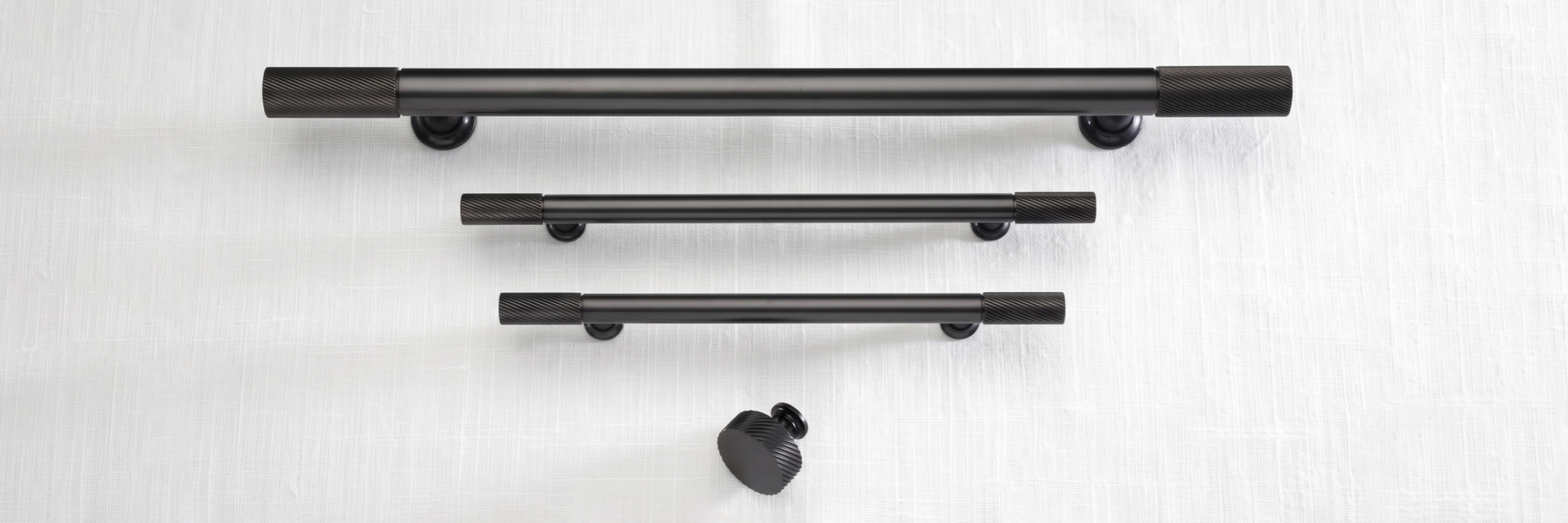
Maintaining a cohesive appearance across hotels, residential developments and multi-room schemes requires careful coordination.
Establishing a clear hardware schedule, confirming finishes and keeping product selections consistent can help avoid unnecessary substitutions. Crofts & Assinder offers coordinated products and interchangeable designs, making it easier to achieve a unified look across different applications.
Successful hardware specification is about more than choosing products that complement an interior. It requires consideration of dimensions, finishes, functionality and long-term suitability.
By addressing these details early, designers can avoid common specification errors, minimise unexpected costs and ensure every element works together as intended.
At Crofts & Assinder, our collections combine considered design, quality materials and 150 years of British craftsmanship to bring the finishing details of an interior together.
Planning your next project? Explore our Special Works and Style Guide collections, request samples or speak to our team at crofts.co.uk.

Designed for Every Interior